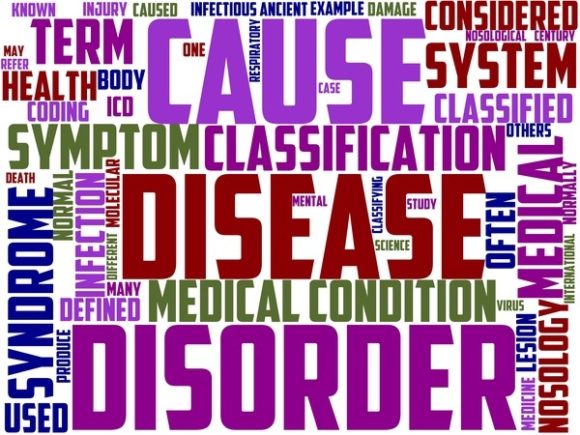
Nosology Wordart Tshirt.jpg: A Vibrant, Hand-Drawn Word Cloud for Real Creative Projects
If you’ve ever stared at a blank t-shirt design, poster layout, or gift tag wondering how to infuse personality and meaning without overcomplicating things—Nosology Wordart Tshirt.jpg might be the quiet spark you’ve been looking for. It’s not just another clipart file. It’s a hand-drawn, colorful wordcloud built with intention: layered typography, organic spacing, and a warm, human touch that digital fonts often miss. The “nosology” root hints at classification and meaning—fitting, because this design invites viewers (and creators) to reflect on language, identity, purpose, and connection.
Where This Word Cloud Fits Naturally—Not Just as Decoration
This isn’t wallpaper for your screen—it’s a flexible creative asset designed to land where people pause, notice, and feel something. Think of it like a visual anchor: it carries weight without shouting. Here’s where it shows up most meaningfully:
- Clothing with Quiet Confidence: On a soft cotton tee, tote bag, or unisex apron, Nosology Wordart Tshirt.jpg becomes wearable affirmation—not preachy, not trendy, but grounded. Teachers wear it to parent-teacher conferences; therapists use it on clinic lanyards; yoga instructors print it on sweat-wicking tank tops for retreats. It works because it feels personal, not mass-produced.
- Home & Everyday Objects That Invite Conversation: Printed on ceramic mugs, linen pillowcases, or framed canvas prints, it softens functional spaces. One small-business owner told us she placed it on a corkboard above her home office desk—not as decor, but as a daily reminder of her core values while drafting client proposals. Others use it on recipe cards tucked into kitchen drawers or stitched onto denim patchwork quilts.
- Promotional Materials That Stand Out Without Shouting: In crowded email inboxes or local event flyers, bold visuals fatigue the eye—but thoughtful typography holds attention. A wellness coach used Nosology Wordart Tshirt.jpg as the central graphic on a workshop invitation, pairing it with minimalist sans-serif body text. Attendance rose 30% year-over-year—not because of flash, but because people said, “It felt like it was made *for* me.”
- Educational & Community Tools: Schools repurpose it for classroom “word walls” about empathy, growth mindset, or emotional vocabulary. Libraries print it on bookmarks handed out during mental health awareness month. Nonprofits embed it into annual report infographics—not as filler, but as thematic glue tying data to human experience.
Who Gets Real Value—and How They Use It Differently
The beauty of Nosology Wordart Tshirt.jpg is how it shifts shape depending on who’s holding it:
- Crafters & Small-Batch Makers: They appreciate its high-resolution clarity (no pixelation when scaled for embroidery or vinyl cutting) and the fact that it’s already color-balanced for print—no guesswork adjusting CMYK swatches. One textile designer told us she layered it under sheer fabric overlays for scarves, letting the words peek through like whispered intentions.
- Therapists, Coaches & Educators: They don’t need flashy graphics—they need resonance. This word cloud avoids clinical coldness or corporate clichés. Its hand-drawn imperfection signals approachability. Many download it, drop it into Canva or Illustrator, and add just one custom word (“resilience,” “curiosity,” “enough”)—making it quietly specific to their practice.
- Event Planners & Wedding Designers: It’s become a go-to for “meaningful minimalism”—used on ceremony programs, seating charts printed on kraft paper, or even projected softly behind dessert tables. One planner shared how couples choose which words stand out most to them (“patience,” “laughter,” “home”) and then highlight those with gold foil or watercolor washes.
- Content Creators & Indie Authors: Ebook covers, newsletter headers, and Patreon banners gain warmth when anchored by organic typography. Unlike stock photos or AI-generated art, Nosology Wordart Tshirt.jpg carries consistent tone across platforms—so your Instagram post and your Substack header feel like part of the same voice.
Practical Things to Keep in Mind Before You Use It
Because it’s hand-drawn—not algorithmically generated—there are gentle considerations that help you get the most from it:
- Color Flexibility Is Built-In, But Not Infinite: The original palette is vibrant yet harmonious (think terracotta, sage, indigo, mustard), optimized for both screen and print. You can recolor individual words in vector-editable versions—but avoid oversaturating or clashing with adjacent hues if printing on dark fabrics or textured paper.
- Readability Varies With Scale: At thumbnail size (e.g., social media avatars), smaller words fade into texture—so lean on the larger, bolder terms as focal points. For apparel, test print a 5" x 5" swatch first: some words may need slight kerning adjustment depending on garment curvature.
- It’s Not Meant to Be “All Things to All People”: This isn’t a keyword-stuffed SEO cloud. It’s curated—not exhaustive. If your project needs industry-specific jargon (like “blockchain” or “CRISPR”), this isn’t the base layer to build on. But if you’re communicating care, creativity, growth, or belonging? It’s already speaking that language.
- Licensing Is Straightforward—But Check Your Use Case: Personal, commercial, and small-batch physical product use is covered. Large-scale manufacturing (e.g., national retail apparel lines) or resale as a standalone digital product requires separate permission. Most users never hit that threshold—but it’s worth scanning the license before launching a Kickstarter campaign.
Why It Works Where Other Word Clouds Fall Short
You’ll find dozens of free word clouds online. What makes Nosology Wordart Tshirt.jpg different isn’t novelty—it’s nuance. The hand-drawn quality adds rhythm and breath. Words curve gently, overlap with intention, and vary in weight—not randomly, but to guide the eye like a conversation rather than a list. There’s no forced symmetry, no sterile grid. It feels like something a thoughtful person sat down and drew—not something a tool spat out after 17 iterations.
That humanity translates directly into connection. When someone sees it on a notebook at a coffee shop, they don’t think, “Oh, nice font.” They pause. They scan. They might even say the words aloud. And in a world saturated with noise, that tiny moment of presence? That’s where real impact begins.