Ogbomosho Wordart Book Cover.jpg
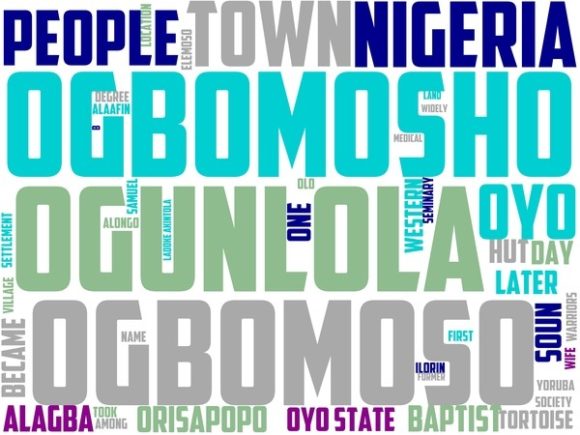
Imagine opening a book and feeling instantly grounded—by language, culture, and visual warmth. That’s the quiet power of Ogbomosho Wordart Book Cover.jpg: a hand-drawn, vibrant wordcloud rooted in the spirit of Ogbomosho, Nigeria. It’s not just decoration—it’s narrative design. Built from layered, meaningful words—community, resilience, wisdom, heritage, growth—the image carries cultural resonance while functioning as a highly adaptable creative asset.
A Wordcloud That Works Harder Than Most
This isn’t a generic cloud of floating terms. Every word was chosen and placed intentionally. The typography is organic—not digital fonts, but inked, textured, and rhythmically spaced by hand. Colors are rich but balanced: deep indigos, warm ochres, earthy greens, and soft corals that harmonize without overwhelming. The composition breathes—it has negative space, visual hierarchy, and subtle asymmetry that invites closer looking.
Because it’s delivered as a high-resolution JPG (300 DPI, CMYK-ready), Ogbomosho Wordart Book Cover.jpg prints crisply on everything from fabric to matte cardstock. No transparency issues. No font licensing headaches. Just one clean, production-ready file—ideal when you need reliability across tools and teams.
Where This Wordart Fits—Without Fitting In
Creatives and professionals reach for Ogbomosho Wordart Book Cover.jpg when they want meaning *and* flexibility—not one or the other. Here’s where it adds tangible value:
- Book covers & publishing: Especially for memoirs, poetry collections, academic works on Yoruba studies, or community histories. Its authenticity signals care—not just aesthetics.
- Textile & product design: Print it on cotton tote bags for a local literacy fair, screen-print it onto linen pillow covers for a boutique hotel, or laser-etch it onto ceramic mugs sold at cultural festivals.
- Educational materials: Teachers use it as a visual anchor in lesson plans about Nigerian geography, oral tradition, or identity-based literacy. Students respond to its warmth—unlike sterile clipart.
- Branding & small business collateral: A Lagos-based wellness coach uses it as a background texture in her workshop handouts. A craft studio in Ibadan overlays it lightly behind their logo on packaging—adding depth without competing.
- Digital storytelling: Bloggers embed it in long-form posts about cultural preservation. Podcasters use cropped sections as chapter art on Spotify or Apple Podcasts—creating visual continuity across platforms.
Why It Stands Out in Real Projects
Most wordclouds feel like data visualizations—functional, but emotionally distant. Ogbomosho Wordart Book Cover.jpg flips that script. Its hand-drawn quality introduces humanity. You can see the slight variation in line weight, the gentle curve of a “y” or the tilt of an “o”—details that signal intentionality. That matters when your audience includes educators building trust with students, publishers representing nuanced voices, or entrepreneurs differentiating themselves in saturated markets.
It also avoids visual fatigue. Unlike dense, overlapping clouds where words fight for attention, this version groups related concepts visually—“ancestry” and “proverbs” nest near each other; “market”, “craft”, and “trade” form a subtle cluster. That makes scanning intuitive—even at thumbnail size.
Smart Implementation Tips
Before dropping Ogbomosho Wordart Book Cover.jpg into your next project, consider these practical notes:
- Layer with restraint: Use it as a background texture—not a dominant foreground element—unless you’re designing a cover or poster where it’s meant to lead. Try reducing opacity to 15–30% behind bold typography.
- Respect cultural context: If using it for commercial purposes outside Nigeria or Yoruba-speaking communities, pair it with thoughtful copy that acknowledges its roots—not as exotic flair, but as intentional homage.
- Test contrast early: While the colors are carefully calibrated, verify legibility when overlaid with text—especially on dark backgrounds or low-resolution screens. A light drop shadow or subtle stroke often solves readability without dulling the artistry.
- Scale wisely: It holds up beautifully at large sizes (think 24×36" posters), but avoid stretching it beyond 200% digitally—its charm lies in the handmade detail, which blurs if over-enlarged.
- Think beyond print: Convert a section into a repeating pattern for digital wallpaper or Zoom virtual backgrounds. Crop a tight section—say, just the words “story” and “soil”—to use as a subtle watermark on PDF reports or pitch decks.
Who Benefits Most—and How
Freelancers building brand identities for African-led startups find Ogbomosho Wordart Book Cover.jpg bridges aesthetic appeal with cultural credibility—no stock photo clichés required. Educators in multicultural classrooms use it to spark discussion about language, belonging, and representation—students often point to specific words they recognize from home. Small press publishers appreciate how quickly it elevates a debut title’s perceived value—readers judge books by covers, and this one signals craftsmanship before the first page is turned.
Even marketers running social campaigns around heritage months or literary festivals use it as a unifying visual thread—consistent across Instagram carousels, email headers, and printed banners—without feeling repetitive, because its organic layout offers endless cropping possibilities.
More Than Decoration—A Design Partner
At its core, Ogbomosho Wordart Book Cover.jpg functions like a collaborator: it doesn’t dictate your message, but it deepens it. It’s the difference between saying “this book is about community” and showing community—in color, shape, rhythm, and language. That kind of resonance doesn’t scale through algorithms. It builds slowly, through careful placement and authentic intent.
If you’ve ever hesitated before choosing a stock graphic—wondering whether it truly reflects your values or your audience’s experience—this wordart offers a grounded alternative. It’s not trend-driven. It’s not mass-produced. It’s made to be lived with: stitched, printed, shared, taught from, and returned to.
So whether you’re designing a chapbook in Abeokuta, launching a podcast from Berlin, or preparing a grant proposal in Atlanta—Ogbomosho Wordart Book Cover.jpg gives you a starting point that’s both culturally rooted and creatively open-ended. And in today’s crowded visual landscape, that kind of balance is rare. And useful.