Olfactology Wordart Tshirt.jpg: A Hand-Drawn Word Cloud That Works Wherever You Need Inspiration
Imagine grabbing a single, vibrant digital file — Olfactology Wordart Tshirt.jpg — and using it to turn plain cotton into conversation-starting apparel, transform a dull workshop handout into something memorable, or add warmth and personality to your classroom bulletin board. That’s exactly what this hand-drawn, colorful word cloud delivers: not just visual appeal, but real utility across dozens of everyday creative and professional tasks.
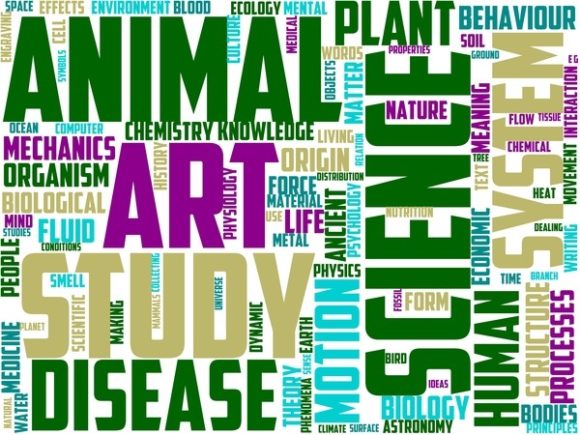
At its core, Olfactology Wordart Tshirt.jpg is a high-resolution, layered word cloud illustration centered around the theme of scent, perception, memory, and sensory experience — rendered in expressive, organic line work and joyful color. It’s not generic clip art. Every word — “aroma,” “nostalgia,” “bloom,” “whiff,” “essence,” “memory,” “scent,” “breathe” — flows naturally into the next, arranged with intention and artistic rhythm. That makes it feel human-made, not algorithm-generated — and that difference shows up in how people respond to it.
Where It Fits Into Real Life (Not Just Design Software)
You don’t need to be a graphic designer to use Olfactology Wordart Tshirt.jpg. You just need a moment where you want to communicate meaning *and* mood at the same time — without writing paragraphs or hiring an illustrator.
A yoga studio owner uses it on a limited-run t-shirt for their “Scent & Stillness” spring workshop — printed directly onto soft tri-blend tees. Attendees wear them not just as merch, but as quiet affirmations. The design doesn’t shout; it invites pause and reflection — which aligns perfectly with the class’s intention.
A science teacher prints it on matte cardstock, cuts out individual words, and laminates them for a hands-on “sensory vocabulary” sorting activity. Students match terms like “olfactory bulb,” “volatile compound,” and “associative memory” to related images — turning abstract biology concepts tactile and memorable.
A small-batch candle maker drops the image into Canva, overlays it lightly behind product photos on Instagram, and uses it as a subtle background in email headers. It becomes part of their brand’s visual language — reinforcing their focus on intentional scent experiences without needing extra copy.
More Than Just a T-Shirt Graphic — It’s a Multi-Use Creative Asset
The name might suggest apparel first, but Olfactology Wordart Tshirt.jpg was built for flexibility. Its clean edges, balanced negative space, and consistent color saturation mean it scales well — whether you’re printing it 2 inches tall on a luggage tag or blowing it up to 4 feet wide for a conference backdrop.
- Home & lifestyle creators apply it to linen pillow covers via iron-on transfer paper — giving guest rooms a thoughtful, aromatic theme.
- Educators and therapists print it on sticker sheets and use individual words during sensory regulation sessions or journaling prompts.
- Event planners layer it into invitation suites for weddings with garden or botanical themes — pairing “petrichor,” “jasmine,” and “dew” with watercolor florals.
- Self-publishers embed it in ebook chapter dividers or paperback interior graphics to reinforce thematic resonance without distracting from text.
- Small retailers use it on reusable shopping bags or gift tags — adding warmth and cohesion to unboxing moments.
Even if you’re not printing anything at all, the file works digitally: as a Zoom virtual background during a wellness coaching session, as a gentle animation loop on a meditation app landing page, or as part of a Pinterest pin explaining how scent triggers memory — because the visual itself demonstrates the concept.
What to Keep in Mind Before You Use It
Because it’s a JPG, Olfactology Wordart Tshirt.jpg comes rasterized — meaning it’s best suited for screen display and print at standard resolutions (300 DPI up to ~18×24 inches). If you plan to scale it dramatically (e.g., for large-format wall murals), check the pixel dimensions before ordering — most versions sit comfortably between 3000×3000 and 5000×5000 pixels.
It’s also important to consider context. Words like “pheromone,” “synesthesia,” or “limbic system” carry weight — and while they enrich the design’s depth, they may require light explanation depending on your audience. A middle-school science fair poster might benefit from pairing the image with a short glossary sidebar; a boutique candle label likely doesn’t need one.
Color consistency matters too. Since monitors vary, always soft-proof the file on your intended output device — especially if matching brand Pantones or fabric dye lots. And if you’re applying it to apparel, test-print on a fabric swatch first: some inkjet transfers mute pastel tones, while DTG printers handle vibrancy well.
Who Gets the Most Out of This File — and Why
Crafters and makers appreciate how quickly it bridges idea-to-object: no tracing, no font hunting, no layout wrestling. One download → cut, press, stitch, glue, or frame.
Freelancers and solopreneurs rely on it to maintain visual consistency across client deliverables — say, a branded workshop toolkit that includes printable worksheets, slide decks, and social media tiles — all anchored by the same word cloud motif.
Bloggers and content creators use it to break up long-form posts about mindfulness, neuroscience, or natural living — giving readers visual breathing room while reinforcing key themes.
Nonprofits and community groups adapt it for awareness campaigns around sensory accessibility, mental health, or environmental education — where evocative, inclusive imagery supports messaging better than stock photos ever could.
And yes — it still works beautifully on t-shirts. But not just any t-shirt. The kind someone keeps, wears repeatedly, and eventually folds into their identity — because the words resonate, the colors uplift, and the hand-drawn quality feels personal, not mass-produced.
Final Thought: It’s Not About Filling Space — It’s About Adding Meaning
Most design assets are chosen for function: “This fits the layout.” “This matches the palette.” “This loads fast.” Olfactology Wordart Tshirt.jpg serves those needs — but it also answers quieter questions: What feeling do I want this person to carry away? What idea should linger after the glance?
That’s why educators reach for it before parent-teacher conferences. Why wellness coaches include it in welcome packets. Why indie publishers place it on dedication pages. It doesn’t explain olfaction — it makes you *feel* it.
If you’ve ever stared at a blank canvas, a sterile slide, or a plain notebook cover wondering how to make it more *yours*, this is the kind of tool that quietly solves that problem — not with complexity, but with clarity, color, and care.