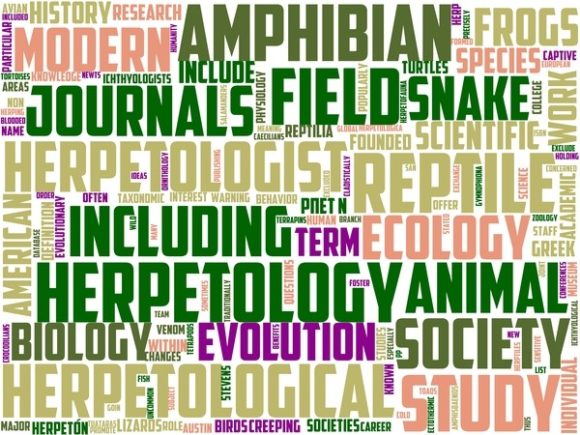
Ophidiology Wordart Tshirt.jpg
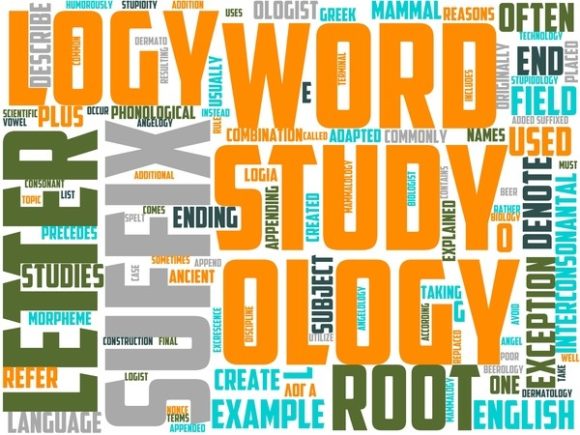
At first glance, Ophidiology Wordart Tshirt.jpg is more than a design—it’s a visual invitation to curiosity, precision, and quiet fascination. Ophidiology—the scientific study of snakes—carries weight, nuance, and layered meaning: evolution, adaptation, symbolism, ecology, even myth. This hand-drawn, colorful wordcloud transforms that depth into something tactile and usable: a ready-to-apply creative asset designed for real-world making.
What makes it distinctive isn’t just the subject matter—it’s the execution. Each word flows organically, sized and positioned with intention—not algorithmically generated, but drawn by hand. That human touch adds warmth and authenticity, especially important when your audience values craftsmanship, education, or mindful design. The palette balances vibrancy with clarity: deep emerald greens, warm terracottas, soft indigos, and crisp off-whites ensure readability across fabrics, paper, and digital displays.
Why This Wordcloud Works Across Mediums
Unlike rigid clipart or overused stock vectors, Ophidiology Wordart Tshirt.jpg is built for flexibility. Its layered composition—some words bold and central, others delicate and tucked in corners—creates natural focal points and breathing room. That structure supports multiple applications without needing heavy editing:
- Apparel: Print it on cotton tees, linen tote bags, or organic-knit hoodies. The balanced density prevents ink bleed on lightweight fabrics, and the hand-drawn lines hold up well in screen printing and direct-to-garment (DTG) workflows.
- Home & Lifestyle: Scale it for throw pillow covers, ceramic mug decals, or framed botanical-style posters. Because the words vary in size and orientation, it reads well both up close (on a notebook cover) and from across a room (as wall art).
- Print & Promotional Materials: Use it as a background element in event programs for science festivals, biology department open houses, or nature education workshops. Reduce opacity slightly and overlay clean sans-serif body text for high-legibility flyers or brochures.
Creative Adaptations for Different Audiences
How you use Ophidiology Wordart Tshirt.jpg depends less on what it *is* and more on who you’re speaking to—and why.
Educators and science communicators can anchor lessons in visual literacy. Pair the wordcloud with a short glossary handout: “What does ‘ophidian’ mean? How is ‘venom apparatus’ different from ‘toxin delivery’?” It becomes a conversation starter—not decoration, but pedagogy made visible. One middle school teacher used a cropped version on lab safety signage, highlighting terms like *scale*, *thermoreception*, and *ecdysis* alongside simple icons.
Small business owners and makers find value in its thematic cohesion. A reptile rescue nonprofit added it to thank-you cards and adoption certificates—reinforcing mission while feeling distinct from clinical or sensationalist imagery. A textile designer reinterpreted the layout as repeating pattern tiles for scarves and fabric bylines, rotating and mirroring sections to create rhythm without repetition.
Bloggers and content creators use it as a subtle branding motif—not front-and-center, but embedded thoughtfully. A herpetology podcast overlays the image at 15% opacity behind episode title cards; a nature journaling Instagram account features it as a watermark on sketchbook page scans. It signals expertise and care without shouting.
Practical Tips for Best Results
To keep your projects clear, effective, and audience-friendly, consider these grounded recommendations:
- Respect the hierarchy. Don’t flatten or oversaturate the image. The original sizing and contrast were chosen deliberately—words like *serpent*, *venom*, and *scale* carry visual weight for a reason. If you’re adapting for dark backgrounds, invert thoughtfully: swap black outlines for thin white strokes instead of full white fills.
- Test legibility early. Zoom out to 25% view before finalizing layouts. Can you still recognize core terms like *colubrid*, *fang*, or *hemipenis* at thumbnail size? If not, simplify—crop to a tighter cluster or isolate 3–5 anchor words for small-format uses like stickers or business cards.
- Stay consistent with tone. This isn’t a generic “nature” graphic—it’s specific. Avoid pairing it with cartoonish fonts or overly playful icons unless irony is intentional and audience-aligned (e.g., a satirical science merch line). Match typography: serif for academic contexts, clean geometric sans for modern apparel brands.
- Attribute thoughtfully—if needed. While the file is royalty-free for commercial use, crediting the illustrator (if known) in project notes or acknowledgments builds trust and honors craft. In educational settings, naming the discipline—“Ophidiology, the study of snakes”—adds context before the visual even appears.
Where Inspiration Meets Execution
Real creativity lives in the overlap between idea and action. You don’t need to launch a full product line to benefit from Ophidiology Wordart Tshirt.jpg. Start small: print one copy on cardstock, cut out three words, and arrange them on a corkboard beside your desk. Try tracing two phrases onto tracing paper and stitching them onto denim. Export it as a PNG with transparent background and drop it into a Canva social post template—see how it shifts the tone of your message.
That kind of hands-on testing reveals what works for *your* voice and goals. A freelance illustrator used it as a base layer for a series of limited-edition enamel pins—each pin focused on one term (*Jacobson’s organ*, *cloaca*, *rattle*), rendered in precise linework over the softened wordcloud background. A university extension office turned it into an interactive PDF: hover over each word to reveal a 10-word definition and a photo link. Both approaches honor the source material while expanding its utility.
The strength of Ophidiology Wordart Tshirt.jpg lies in its duality: it’s both a finished piece and a springboard. It doesn’t demand grand gestures—just attention, intention, and the willingness to try one thoughtful application at a time. Whether you’re designing a conference banner, prototyping a new notebook line, or prepping classroom materials, this wordcloud offers substance without stiffness, color without clutter, and focus without rigidity.
So open the file. Zoom in. Notice how “subcaudal” curves gently beneath “hemipene,” how “aposematic” sits bolder near the center. Then ask yourself: What’s one thing I can make—this week—with this tool in hand?