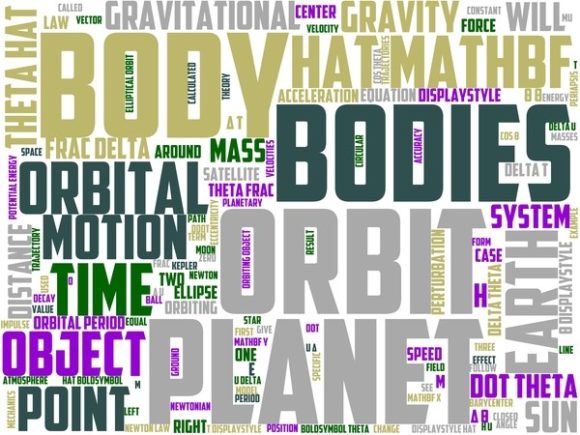
Orbit Wordart Background.jpg: A Hand-Drawn Word Cloud for Creative Design Projects
Orbit Wordart Background.jpg is a high-resolution, hand-drawn word cloud image designed specifically for versatility in physical and digital craft applications. Unlike algorithmically generated word clouds—often rigid, text-heavy, and limited to typographic uniformity—this file stands out through its organic line work, intentional color variation, and balanced negative space. It’s delivered as a JPEG with a transparent or softly blended background (depending on version), making it easy to layer over textures, fabrics, or printed substrates without complex editing.
What sets Orbit Wordart Background.jpg apart isn’t just aesthetics—it’s functional intention. Every word is legible at multiple scales, the composition avoids visual clutter, and the palette uses harmonious, non-saturated hues that translate well across print and screen. These qualities make it especially suitable for projects where clarity, warmth, and handmade authenticity matter—think boutique apparel labels, mindfulness-themed stationery, or small-batch home décor items.
How It Fits Into Broader Design Resource Categories
Designers and makers regularly choose from several types of word-based visuals: algorithmic word clouds (generated via tools like WordClouds.com or Python libraries), custom-typed typography layouts (built in Illustrator or Canva), vector-based decorative lettering, or hand-illustrated assets like Orbit Wordart Background.jpg. Each has distinct tradeoffs.
Algorithmic clouds excel at data visualization—emphasizing frequency, hierarchy, and keyword density—but often sacrifice readability and stylistic cohesion. They’re ideal for reports or dashboards, less so for product surfaces where emotional resonance matters more than lexical weight. Custom-typed layouts give full control over font, spacing, and flow, but demand time, typography skill, and licensing awareness for commercial fonts. Vector lettering offers scalability and crisp edges but can feel overly polished or impersonal for artisanal branding.
In contrast, Orbit Wordart Background.jpg occupies a middle ground: it’s pre-designed yet expressive, ready-to-use yet visually nuanced. It doesn’t require software expertise to implement, nor does it lock users into rigid templates. Its hand-drawn quality adds human texture—valuable when designing for audiences seeking authenticity over automation.
Practical Use Cases and Real-World Fit
The description notes broad applicability: clothing, posters, pillows, cups, tags, notebooks, invitations, banners, stickers, and more. That breadth reflects genuine flexibility—not marketing exaggeration. For example:
- A small textile studio might overlay Orbit Wordart Background.jpg onto cotton tote bags using heat-transfer vinyl—its soft edges and moderate contrast ensure clean reproduction even at 8” × 10” scale.
- An educator creating printable classroom affirmations could drop the image into a Canva template, adjust opacity for subtle watermarking, and export PDFs optimized for home inkjet printing.
- A wedding planner designing custom ceremony programs might pair the word cloud with serif body text and minimalist borders—leveraging its inspirational tone without competing for attention.
These examples share a common thread: Orbit Wordart Background.jpg works best when the goal is atmospheric reinforcement—not primary information delivery. It supports messaging rather than replacing it. That makes it strong for mood-setting contexts (e.g., wellness journals, yoga studio merch) but less appropriate for instructional materials or legal disclaimers where precision and hierarchy are critical.
Strengths and Limitations to Consider
Strengths:
- Time efficiency: No need to source fonts, adjust kerning, or balance layout—ready for immediate use in most design workflows.
- Print-ready resolution: Typically supplied at 300 DPI and scalable up to ~12” without visible pixelation (within JPEG constraints).
- Emotional resonance: The hand-drawn style conveys approachability and care—especially effective for brands centered on growth, creativity, or self-expression.
- Licensing clarity: Most versions include broad commercial rights for physical products and digital distribution (always verify license terms before large-scale production).
Limitations:
- No editable text: You cannot change individual words or reorder them. If your project requires specific phrasing—e.g., “Team Summit 2024” instead of generic motivational terms—you’ll need custom illustration or layout work.
- JPEG format constraints: While convenient, JPEG doesn’t support transparency natively (unless saved with alpha channel, which is uncommon). Some versions may require minor background cleanup in Photoshop or GIMP for seamless integration.
- Color adaptation limits: Though the palette is versatile, extreme tinting or heavy filter application can mute its hand-crafted nuance. It responds best to subtle adjustments—not radical recoloring.
- Not data-driven: It doesn’t reflect word frequency or weighting. If your goal is to visualize survey responses or SEO keyword volume, this isn’t the right tool.
When Orbit Wordart Background.jpg Is the Right Choice—and When It Isn’t
This asset shines when your priority is speed, aesthetic cohesion, and tactile appeal across tangible goods. It’s particularly well-suited for independent creators launching limited runs—say, 50 embroidered linen pouches or a run of enamel pins—where hiring a designer for custom word art would be disproportionate to budget and scope.
It also fits naturally into mixed-media workflows. Artists combining digital prints with watercolor washes or embroidery stitches often seek base layers with character but low visual competition. Orbit Wordart Background.jpg provides that foundation: present enough to anchor meaning, quiet enough to leave room for other elements.
Conversely, avoid it if you need strict brand consistency across dozens of SKUs with varying copy requirements—or if your audience expects technical precision (e.g., engineering conference swag, academic publications). Similarly, if you’re building a scalable digital product like an interactive e-book with dynamic text replacement, a static JPEG won’t meet functional needs.
Another consideration: long-term adaptability. While Orbit Wordart Background.jpg holds up well across current trends, its hand-drawn nature means it leans into a particular era of design sensibility—one aligned with slow living, analog revival, and mindful consumption. That’s a strength for targeted niches, but potentially limiting if your brand voice shifts toward futurism, minimalism, or corporate neutrality.
Making a Practical Decision
Ask yourself three questions before selecting Orbit Wordart Background.jpg:
- What’s the primary role of text in this project? If it’s decorative emphasis or ambient inspiration, this asset aligns well. If it’s functional instruction or data summary, look elsewhere.
- How much customization do I realistically need? If swapping one or two words would significantly improve relevance, budget for custom illustration—or combine this background with separate, editable headline text.
- What’s my output environment? Test the file at final size on your intended medium: print it on your target paper stock, mock it up on a ceramic mug template, or preview it on a fabric swatch. JPEGs behave differently across substrates; real-world testing beats assumptions.
Ultimately, Orbit Wordart Background.jpg is not a universal solution—but it’s a thoughtful, well-executed option within a specific creative spectrum. Its value lies in bridging the gap between off-the-shelf convenience and handcrafted distinction. For makers balancing practicality with personality, it remains a quietly capable resource—one worth evaluating alongside alternatives, not above or below them.