Padang Wordart Wallpaper: Hand-Drawn Wordclouds That Bring Warmth and Meaning to Everyday Design
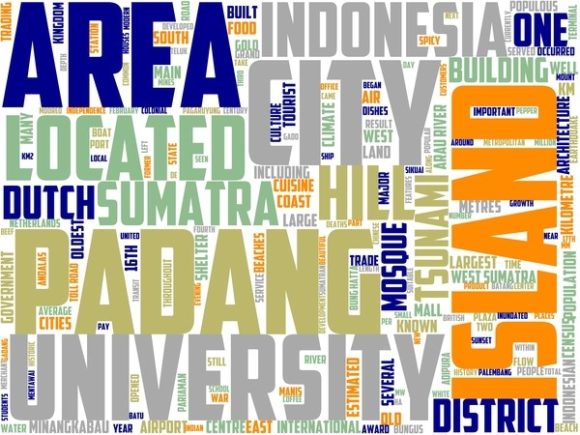
Imagine a wordcloud that doesn’t feel algorithmically generated or digitally sterile—but alive with texture, intention, and human rhythm. That’s the quiet power of Padang Wordart Wallpaper: a collection of hand-drawn, vibrantly colored wordclouds rooted in organic line work, thoughtful composition, and cultural resonance. Unlike generic typographic graphics, these designs carry subtle warmth—curved letters, uneven baselines, playful overlaps, and layered hues that invite closer looking. They’re not just visual noise; they’re curated meaning made tactile.
Why Hand-Drawn Wordclouds Are Gaining Real Traction
Over the past five years, digital design has swung decisively toward authenticity—not as a trend, but as an expectation. Consumers scroll past polished stock assets without pause, yet pause for something that feels *made*, not minted. This shift isn’t about rejecting technology; it’s about using tools to amplify humanity, not erase it. Hand-drawn wordclouds like those in Padang Wordart Wallpaper respond directly to this need: they offer personality at scale, consistency without uniformity, and expressiveness that algorithms still struggle to replicate convincingly.
Designers, educators, and small business owners increasingly choose hand-crafted typography for branding because it signals care—care in messaging, care in execution, care in connection. A boutique clothing label printing “Joy • Craft • Belong” across a linen tote bag gains emotional weight when those words are drawn—not kerned. A teacher creating classroom posters with “Curious • Brave • Kind” adds gentle authority when the letterforms breathe like handwriting rather than hover like vectors.
From Wallpapers to Wearables: Where This Wordcloud Lives—and Works
Padang Wordart Wallpaper wasn’t built for a single use case. Its flexibility is intentional: each wordcloud is designed to scale cleanly, adapt to color palettes, and retain legibility whether printed at 2 inches on a sticker or stretched across a 48-inch poster. That versatility meets real-world workflows—where one person might be designing a limited-run textile print for a local ceramics studio, while another is building a printable habit tracker for their wellness newsletter.
Consider these grounded applications:
- Textile & product design: The soft edges and balanced negative space translate beautifully onto fabric—no harsh clipping or pixelation when screen-printed on cotton tees or embroidered onto pillow covers.
- Promotional materials: For a community workshop or nonprofit fundraiser, layering key values (“Grow • Share • Listen”) into a banner or postcard creates instant thematic cohesion—without needing custom illustration.
- Educational tools: Language teachers use themed wordclouds (e.g., “Weather • Seasons • Feelings”) on flashcards or classroom walls—students absorb vocabulary contextually, supported by visual rhythm and color cues.
- Digital-first creators: Bloggers and course designers embed these graphics into Canva layouts, Notion dashboards, or ebook chapter headers—adding visual interest while reinforcing core messages.
What makes this especially practical is the absence of licensing friction. These assets are crafted for reuse—not just legally, but functionally. No need to rework spacing for every new format. No hidden resolution traps. Just clean, intentional design, ready to serve.
How It Fits Into Modern Creative Habits
Today’s creators rarely start from blank canvas—they remix, layer, adapt. Whether you're a freelance graphic designer juggling three client projects, a solopreneur launching a capsule collection, or a parent crafting birthday invites, time is your most constrained resource. Padang Wordart Wallpaper supports that reality by offering structure *with* room to personalize: swap colors in your editing software, isolate individual words for emphasis, or combine multiple clouds to build a larger narrative.
This mirrors broader shifts in creative tooling—think of how Figma plugins, Canva templates, and Adobe Express presets have evolved: less about rigid templates, more about intelligent starting points. Padang Wordart Wallpaper operates in that same spirit. It doesn’t replace skill—it accelerates intention.
Thoughtful Use Beyond Aesthetics
Wordclouds carry inherent semantic weight. When words are arranged by frequency, proximity, or emotional resonance—not random chance—they become visual summaries. A well-curated cloud like those in Padang Wordart Wallpaper can reinforce brand voice (“Trust • Clear • Steady”), anchor a workshop theme (“Listen • Reflect • Act”), or gently guide behavior (“Pause • Breathe • Return”).
That’s why educators report stronger student engagement when vocabulary clouds include culturally relevant terms alongside academic ones—or why therapists integrate affirming word arrangements into waiting-room art. It’s not decoration for decoration’s sake. It’s design with quiet purpose.
Practical Tips for Getting Started
You don’t need advanced software or formal training to begin. Here’s what works for most users:
- Start small: Try one wordcloud on a notebook cover or phone case before scaling to apparel or packaging.
- Respect contrast: Hand-drawn elements shine against uncluttered backgrounds—avoid stacking too many textures or typefaces underneath.
- Test real-world legibility: Print a 3-inch version before ordering yardage or large banners. Does the smallest word remain readable? Adjust spacing if needed.
- Think in layers: Use light overlays (subtle gradients, paper textures) to ground the wordcloud—not compete with it.
- Stay aligned with intent: If your goal is calm, choose softer hues and open spacing. If energy is key, lean into bolder contrasts and tighter groupings.
And remember: consistency matters more than complexity. One thoughtfully placed Padang Wordart Wallpaper element—on a business card, a mug, or a presentation slide—can anchor your message more effectively than ten generic graphics.
Looking Ahead—Without Overpromising
Will hand-drawn wordclouds replace all other typographic tools? No. But will they continue gaining relevance as markers of authenticity, clarity, and human-centered communication? Yes—especially as AI-generated visuals flood the market and audiences grow more discerning about what feels genuine.
What sets Padang Wordart Wallpaper apart isn’t novelty—it’s durability. These aren’t disposable trends. They’re tools built for longevity: adaptable enough for today’s platforms, expressive enough for tomorrow’s needs, and grounded enough to stay useful whether you’re designing for Instagram, a school bulletin board, or a handmade greeting card.
Ultimately, great design serves people—not platforms. And when words are drawn by hand, chosen with care, and arranged to resonate, they do more than fill space. They hold space—for ideas, for identity, for moments of recognition. That’s where Padang Wordart Wallpaper begins—and where your next creative project might, too.