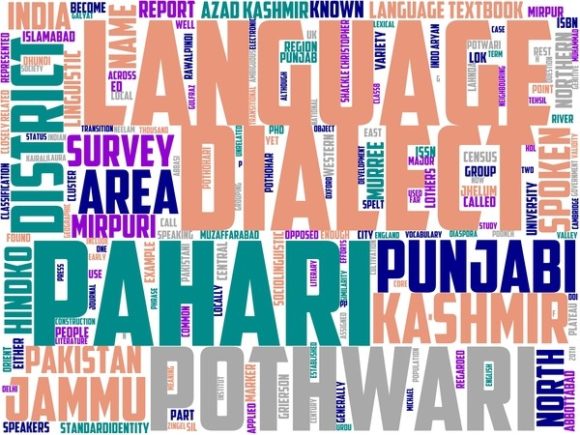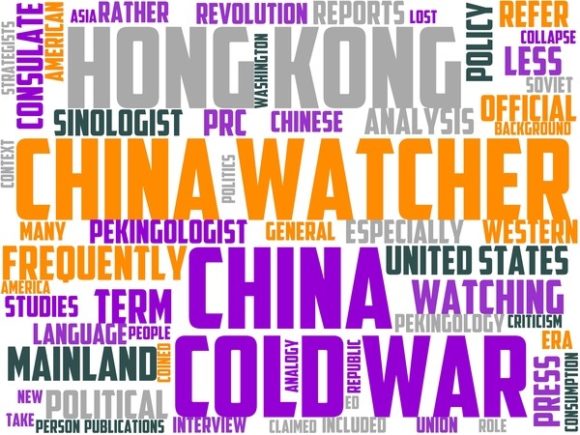
Pekingology Wordart Sublimation: Hand-Drawn Wordclouds That Bring Meaning and Color to Real-World Design
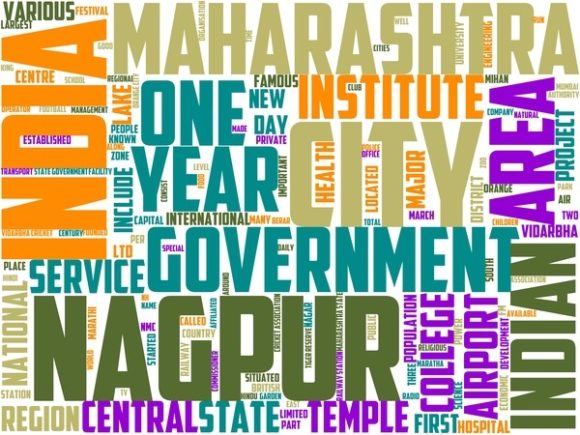
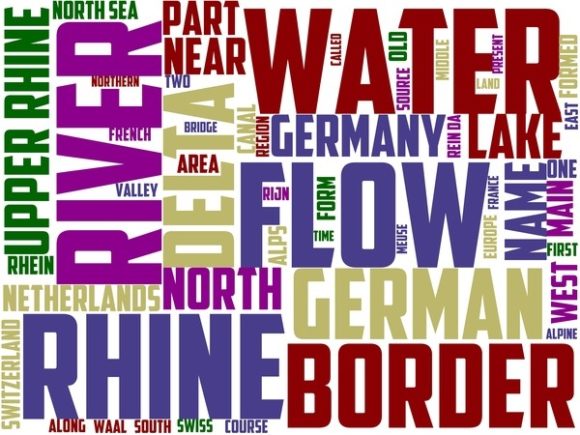
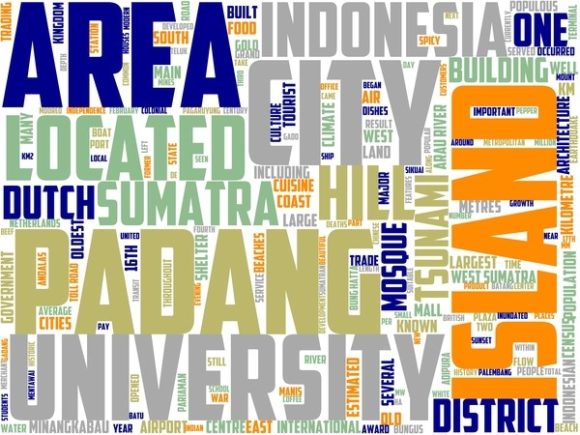
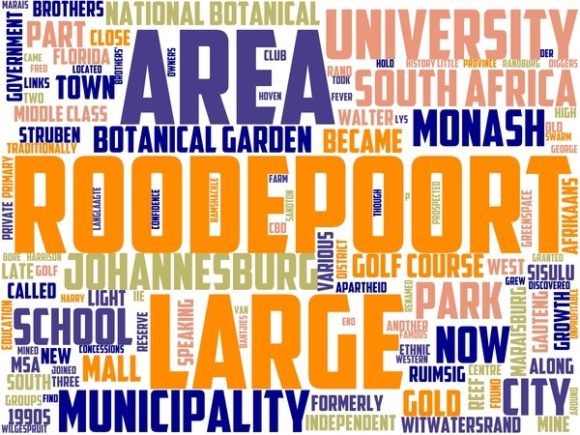
Imagine a wordcloud that doesn’t feel algorithmic or clinical—but alive. One where each word is thoughtfully placed, softly shaded, and drawn by hand with warmth and intention. That’s the essence of Pekingology Wordart Sublimation: not just text arranged by frequency, but language transformed into visual poetry—designed from the ground up for real-world application across apparel, home goods, stationery, and branded communications.
More Than Decoration—A Thoughtful Design Language
Unlike generic digital wordcloud generators, Pekingology Wordart Sublimation starts with human curation. Words are selected for resonance—not just repetition—and arranged with spatial rhythm, contrast, and balance in mind. The result? A colorful, hand-drawn wordcloud that carries emotional weight and narrative clarity. It’s not background noise; it’s a quiet focal point that invites pause, reflection, or connection.
This matters because today’s audiences—whether scrolling social feeds, walking past a boutique window, or opening a handmade invitation—respond less to visual clutter and more to authenticity. A hand-drawn aesthetic signals care, intentionality, and craft. It aligns with broader shifts toward slow design, mindful consumption, and tactile experiences in an increasingly screen-saturated world.
Why Now? Context Meets Creative Need
The rise of accessible sublimation printing, direct-to-garment workflows, and on-demand production platforms has lowered barriers for small businesses and independent creators. At the same time, consumers expect personalization—not just in product features, but in tone, texture, and meaning. A slogan printed on a tote bag lands differently when it’s embedded in a vibrant, hand-drawn composition versus stacked in a default font.
Pekingology Wordart Sublimation meets this moment precisely. Its files are optimized for sublimation, heat transfer, and digital print—so whether you’re pressing onto polyester fabric, ceramic mugs, or aluminum magnets, color fidelity and fine-line integrity hold up. No pixelation. No awkward scaling. Just clean, expressive typography ready for physical translation.
Where It Fits Naturally—Not Just Where It Can Go
It’s easy to list applications—t-shirts, notebooks, posters—but what makes Pekingology Wordart Sublimation especially useful is how well it integrates into *existing creative workflows*, not just as decoration but as functional design scaffolding.
- For educators and trainers: Use a custom wordcloud centered on “Resilience,” “Collaboration,” or “Growth Mindset” on workshop handouts, slide backgrounds, or classroom posters—reinforcing core themes visually without relying on clip art or stock vectors.
- For small business owners: Layer a brand-aligned wordcloud behind a simple call-to-action on a postcard or flyer—adding depth and memorability without competing with legibility.
- For textile designers: Scale and repeat sections of the composition across fabric swatches, using the organic flow to guide seam placement or embroidery zones.
- For content creators and bloggers: Turn a popular article’s key concepts into a shareable, printable wordcloud graphic—ideal for Pinterest, Instagram carousels, or lead magnets.
Crucially, these aren’t forced uses. The design’s flexibility comes from its structure: balanced negative space, consistent line weight, and intentional color grouping make it adaptable—not just scalable.
From Digital File to Tangible Impact
Sublimation is often associated with bold, high-contrast graphics—but Pekingology Wordart Sublimation proves subtlety can translate beautifully. Its hand-drawn lines retain softness even after heat transfer, and its layered color palette (often built with CMYK-safe gradients and Pantone-adjacent tones) avoids oversaturation on light or dark substrates.
Real-world testing shows strong performance on cotton-poly blends, ceramic mugs with matte coatings, and coated poster paper. For DIY users, it works cleanly with standard Cricut or Silhouette cut files when paired with printable vinyl. For professional print shops, vector-ready EPS or high-res PNG files ensure crisp output at any size—from 2-inch enamel pins to 48-inch wall decals.
That reliability reduces revision cycles. A marketing coordinator doesn’t need to tweak spacing or rework colors for different materials—they select the version best suited for their substrate and go.
Design Ethics, Not Just Design Aesthetics
In an era where AI-generated visuals flood marketplaces, hand-drawn assets like those in Pekingology Wordart Sublimation offer something quietly significant: traceability. You know a person made this. There’s no hidden prompt engineering, no data scraping, no ambiguity about origin. That transparency resonates with buyers who value ethical sourcing—even in digital design.
It also supports sustainable practices. Because the compositions are intentionally versatile, one file can serve multiple purposes—a single purchase might cover a set of greeting cards, a limited-run t-shirt drop, and a workshop banner—reducing redundant design labor and resource use over time.
Practical Tips for Getting Started
If you’re new to working with curated wordclouds like these, start small—and think contextually:
- Match tone before scale: A wordcloud themed around “Joyful Learning” fits naturally on a teacher’s notebook or student welcome packet—but may feel mismatched on a law firm’s annual report. Let audience and purpose guide selection.
- Test contrast early: Even beautiful hand-drawn lines disappear on busy backgrounds. Try your chosen wordcloud over solid-color swatches first—especially if applying to patterned fabrics or textured paper.
- Leverage white space intentionally: Don’t feel compelled to fill every inch. Crop tightly around a cluster of meaningful words for a minimalist sticker, or expand outward for a full-bleed poster layout.
- Think beyond RGB: If ordering prints, request a physical proof—especially for multi-color pieces. Screen colors rarely match final substrate results, and subtle shifts in cyan or magenta can change perceived warmth.
Looking Ahead—Without Overpromising
There’s no indication that hand-crafted typographic design will be replaced by automation anytime soon—in fact, demand is growing. Platforms like Etsy, Amazon Handmade, and even Shopify-powered micro-brands show consistent interest in products where story and surface meet. Pekingology Wordart Sublimation doesn’t chase novelty for its own sake; it supports durable, human-centered design choices that age well and communicate clearly.
What’s evolving isn’t the tool itself, but how people integrate it: more cross-disciplinary use (e.g., therapists printing wordclouds for client reflection tools), more hybrid media (combining sublimated fabric with hand-stitching or screen-print overlays), and more emphasis on inclusive language curation—where word selection reflects diverse voices, accessibility needs, and cultural nuance.
That evolution isn’t driven by tech alone. It’s driven by people choosing clarity over complexity, meaning over mass production, and craft over convenience—when it matters.
Final Thought: Design That Serves, Not Just Adorns
Pekingology Wordart Sublimation stands out not because it does everything, but because it does specific things exceptionally well: it turns language into gentle visual anchors, adapts gracefully across materials and scales, and respects the time and intention of both creator and viewer. In a landscape crowded with disposable graphics, that kind of thoughtful utility is rare—and increasingly valuable.
Whether you’re launching a wellness brand, designing curriculum materials, updating your studio’s packaging, or simply looking for a way to express a personal mantra on your morning mug—the right wordcloud shouldn’t just look good. It should feel earned. And that starts with how it’s made.